When the panic mechanism is intact but the locking points are out of sync, a quick calibration usually restores normal operation. If a control board is burned or a solenoid is dead, the locksmith will advise whether a field repair is safe or a replacement is required. I have turned a two-hour job into a 30-minute fix by bringing the correct trim-headed screws and a spare latch from my van, and that kind of preparedness cuts downtime.
Red flags that mean call now
If the door will not open and an alternate exit is blocked or unknown, escalate the call and get a certified responder on the way. If the door is secured by an access control system and credentials are failing system-wide, you should involve building security and a locksmith with access control expertise. For retail and busy offices, repeated minor failures justify a preventive replacement or scheduled maintenance rather than repeated emergency calls, and an experienced locksmith will explain lifecycle costs.
Choosing the right locksmith for commercial panic hardware
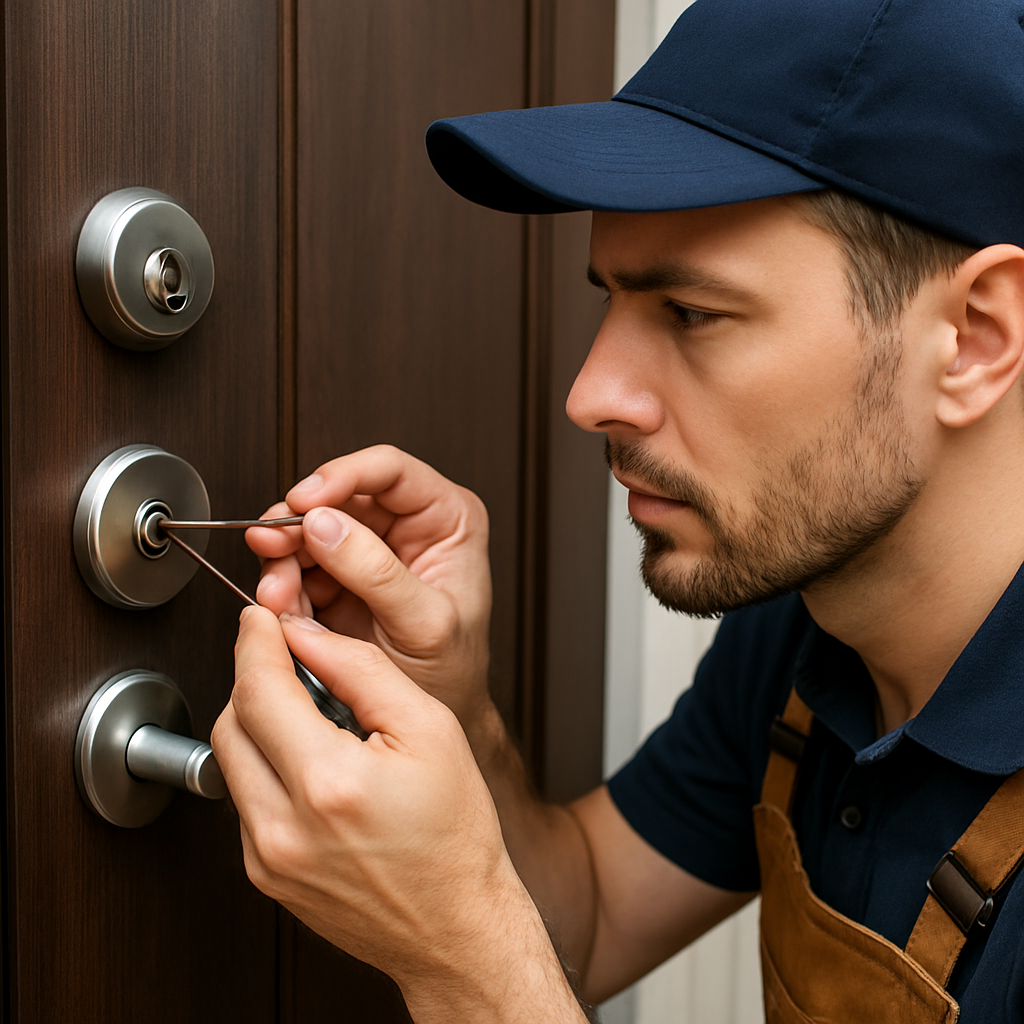
A professional emergency locksmith should provide proof of bonding and insurance, and should be comfortable working with building managers and fire marshals. Confirm that the locksmith understands code compliance, because panic devices are regulated and must meet specific standards for egress and panic conditions. A reliable vendor will tell you which parts they stock and whether they can program access control systems when an electrified exit is involved.

Understanding price variation
When a unit is older than its expected service life, repeated repairs often cost more than a planned replacement that restores reliability. Electrified panic devices and integrations with access control systems tend to be pricier because of programming and wiring, and those elements must be budgeted separately. If you have to choose, prioritize doors that serve as primary egress paths for large numbers of occupants, because their failure carries the most risk.
What a professional tune-up includes
Documenting each visit creates a maintenance history that managers and inspectors can use to track recurring problems. Preventive maintenance also includes verifying battery backups, checking control panels after power events, and replacing parts that show metal fatigue or corrosion. A good maintenance partner will provide an asset list, recommended replacement intervals, and transparent pricing for parts and labor.
When electrified components complicate an otherwise simple exit
When the bar is free to move but the strike remains latched, the issue is almost always electrical. If a facility uses a central access control server, network issues or a failed PLC can lock multiple doors at once and require IT involvement. If you are unsure about dealing with electrified hardware, call a https://locksmithunit.com/kia-locksmith/ locksmith with access control experience rather than attempting field repairs yourself.
Real calls that shaped better practices
I once arrived at a downtown office where the panic bar turned but the door would not open, and the cause was a locksmith's quick note: an extra deadbolt had been installed years earlier and was never returned to the unlocked position during drills. These field stories show how attention to detail and good maintenance prevent most panic lockouts. After reading enough service histories, I now advise managers to keep a lightweight entry pouch with spare trim screws, a small metal file, and a pair of bolt cutters for external chained locks, because the basic tools shorten response time.
Simple hardware upgrades that cut future risk
Electric strikes rated for high cycle counts and with built-in battery backup are a prudent choice for doors that see heavy use or that are critical in an emergency. Adding a visible maintenance sticker with the last inspection date helps staff and inspectors know the current status of the door, and it prompts timely service. Trade-offs include higher initial cost and more complex wiring, but those costs buy reliability and often lower lifetime maintenance expenses.
Final practical checklist and next steps for building managers
Schedule an immediate inspection of all primary egress doors, because a single failed device can create a serious safety risk for occupants. Train staff on alternate exits and the proper way to report a door that does not function, and run periodic drills that include hardware checks immediately after. Invest a little in preventive maintenance now to avoid expensive emergency repairs and downtime later, and update your hardware strategy every few years as occupancy patterns change.